
Get Wildfire Mitigation in Licking County, OH
Wildfire mitigation services for property owners in Licking County, OH, address vegetation clearance, defensible space creation, and firebreak installation to reduce wildfire risks.
Wildfire mitigation services are an important consideration for property owners in Licking County, OH, especially those looking to enhance safety and protect their homes from potential fire hazards. These services often include creating defensible space, removing dead or overgrown vegetation, and implementing fire-resistant landscaping strategies. By addressing these factors, property owners can reduce the risk of wildfire damage, which in turn provides peace of mind and a greater sense of security for families and neighbors alike.
In addition to safety, wildfire mitigation can improve the overall functionality and curb appeal of a property. Properly maintained landscapes with strategic plant choices and cleared areas can boost a home's appearance while also making routine maintenance easier and less frequent. Many property owners seek these services to enjoy a more durable and attractive outdoor environment, knowing that their investments are better protected against the threat of fire and the wear and tear associated with ongoing upkeep.
- Wildfire Risk Assessments - conducted when property owners in wildfire-prone areas seek to identify vulnerabilities and develop mitigation strategies.
- Defensible Space Creation - recommended for homeowners looking to reduce fire spread around residential properties in rural or wooded regions.
- Vegetation Management - utilized when clearing or thinning trees and shrubs to lower fuel loads near structures and natural areas.
- Firebreak Installation - necessary for communities or landowners aiming to create barriers that prevent wildfire progression across large properties.
- Emergency Access Planning - essential for local residents and authorities preparing routes for firefighting efforts and evacuation procedures.
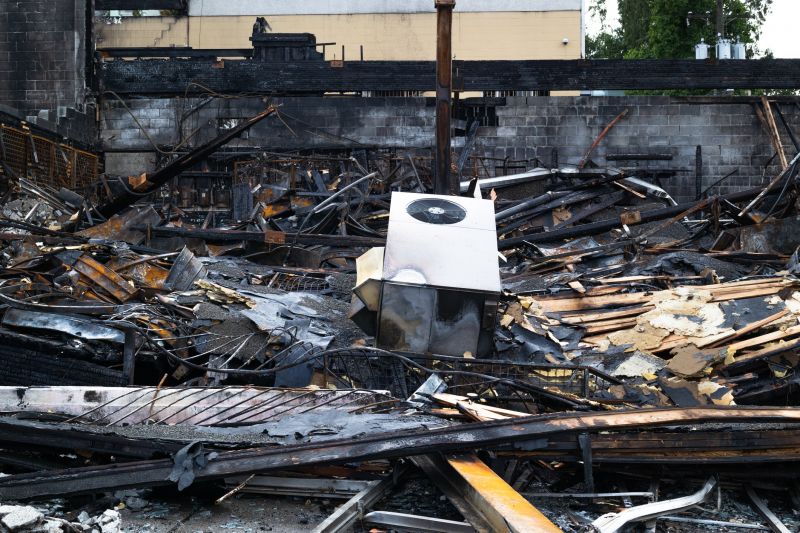
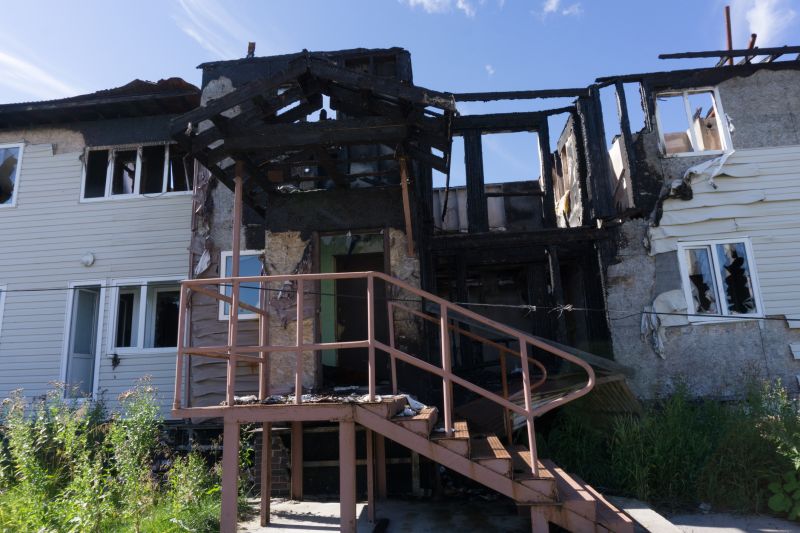
Wildfire mitigation services focus on reducing the risk of fire spreading through properties and surrounding areas. These services often involve assessing a property's vulnerability to wildfires, identifying high-risk zones, and implementing strategies to minimize potential damage. Techniques may include creating defensible space by removing combustible materials, thinning dense vegetation, and establishing firebreaks to slow or stop the spread of flames. The goal is to enhance the safety of properties located in or near wildfire-prone regions, especially during peak fire seasons.
Wildfire mitigation helps address several common problems associated with wildfires, such as property damage, loss of vegetation, and threats to human safety. By proactively managing combustible materials and modifying landscapes, property owners can reduce the likelihood of fire ignition and slow its progression if it occurs. These services also assist in complying with local fire safety regulations and can contribute to community-wide efforts to prevent large-scale wildfires. Effective mitigation can lead to decreased insurance risks and potentially lower premiums for property owners in vulnerable areas.
Properties that typically utilize wildfire mitigation services include residential homes, especially those situated in rural or semi-rural areas with abundant natural vegetation. Commercial properties, such as farms, ranches, and outdoor recreational facilities, may also seek these services to protect their assets and ensure safety. Additionally, public spaces like parks and community facilities located in fire-prone zones often benefit from mitigation efforts. These services are particularly relevant for properties located near forests, grasslands, or areas with a history of wildfire activity.
Partnering with local wildfire mitigation specialists can help property owners develop tailored strategies to reduce fire risk effectively. These professionals assess the specific hazards of each property, recommend appropriate measures, and assist in implementing fire-resistant landscaping and structural modifications. Contacting experienced service providers ensures that mitigation efforts align with local regulations and best practices, ultimately enhancing safety and resilience for properties in wildfire-prone regions.
The overview below groups typical Wildfire Mitigation projects into broad ranges so you can see how smaller, mid-sized, and larger jobs often compare in Licking County, OH.
In many markets, a large share of routine jobs stays in the lower and middle ranges, while only a smaller percentage of projects moves into the highest bands when the work is more complex or site conditions are harder than average.
Initial Assessment - The cost of a wildfire risk assessment typically ranges from $200 to $600, depending on property size and complexity. Larger properties or those with extensive vegetation may incur higher fees. These assessments help identify priority areas for mitigation efforts.
Vegetation Management - Clearing and trimming trees and shrubs can cost between $1,000 and $4,000 for an average residential lot. Expenses vary based on the extent of vegetation and accessibility. Proper vegetation management reduces fire spread risks around structures.
Defensible Space Creation - Establishing defensible zones around structures often costs $500 to $2,500, depending on property size and landscaping needs. This includes removing combustible materials and creating buffer zones to improve fire resilience. Local pros can tailor solutions to specific property conditions.
Material and Equipment Removal - Removing debris, deadwood, and combustible materials typically ranges from $300 to $1,200. Costs are influenced by the amount of material and site accessibility. Regular removal helps maintain reduced wildfire hazards over time.
Actual totals will depend on details like access to the work area, the scope of the project, and the materials selected, so use these as general starting points rather than exact figures.
Defensible Space Planning - local service providers assist property owners in creating defensible zones around structures to reduce wildfire risk. They evaluate property layouts and recommend strategic clearance and vegetation management.
Vegetation Management - professionals offer services to remove or trim trees and shrubs that could serve as wildfire fuel. This helps decrease fire intensity and spread on residential and commercial properties.
Firebreak Construction - local contractors can establish firebreaks by clearing vegetation and creating physical barriers to slow or stop the progression of wildfires. These features are tailored to site-specific conditions.
Emergency Access Solutions - service providers help improve access routes for emergency responders by clearing obstructions and creating wide, unobstructed pathways. This ensures quick response times during wildfire events.
Fuel Load Reduction - experts assist in reducing combustible materials on properties, such as deadwood and leaf litter, to lower the potential intensity of a wildfire. Proper removal minimizes fire hazards.
Community Wildfire Risk Assessments - local pros evaluate neighborhoods to identify wildfire vulnerabilities and recommend mitigation strategies. These assessments support proactive risk reduction efforts.
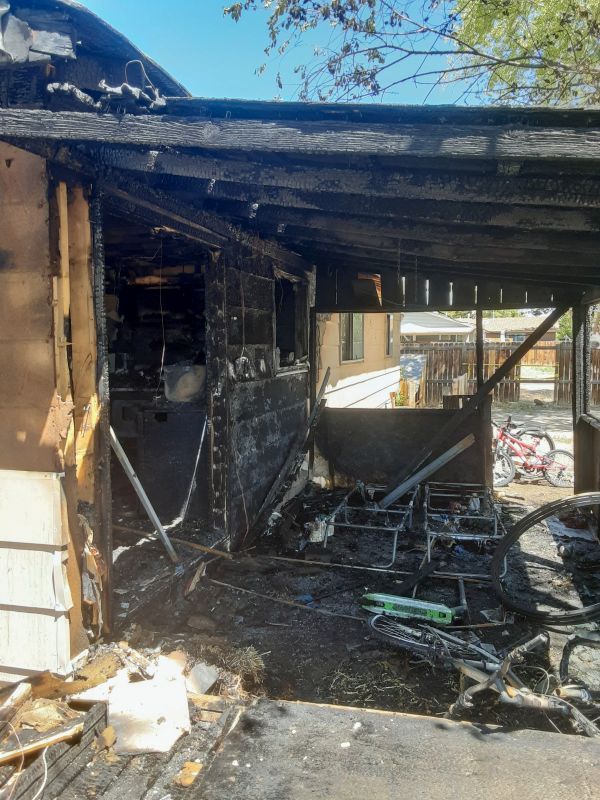
When evaluating wildfire mitigation services, it is important to consider the experience and expertise of local contractors. Homeowners should seek out professionals who have a proven track record in wildfire risk reduction, including familiarity with local vegetation, terrain, and fire safety practices. Verifying the reputation of these service providers through reputable references can offer insight into their reliability and quality of work, helping homeowners make informed decisions. Clear communication about project scope, processes, and expectations is also essential to ensure alignment and understanding throughout the mitigation efforts.
Local wildfire mitigation providers often offer detailed written expectations that outline the scope of work, materials used, and maintenance requirements. Reviewing these documents can help homeowners understand what services will be performed and what results to anticipate. It is advisable to request references from previous clients or check reviews to gauge the consistency and satisfaction associated with each provider’s services. Reliable providers typically maintain transparent communication channels, allowing homeowners to ask questions and receive updates throughout the project.
The information below introduces homeowners to a selection of local wildfire mitigation service providers, emphasizing the importance of researching and comparing options. It is not a contractor or service provider itself but serves as a resource to connect homeowners with qualified local professionals. Homeowners are encouraged to contact multiple providers to discuss their specific needs, review their experience and references, and clarify written expectations before selecting a service partner.
Property owners in Licking County, OH use Wildfire Mitigation services for practical projects around their homes and businesses. The sections below highlight everyday jobs and straightforward project options.
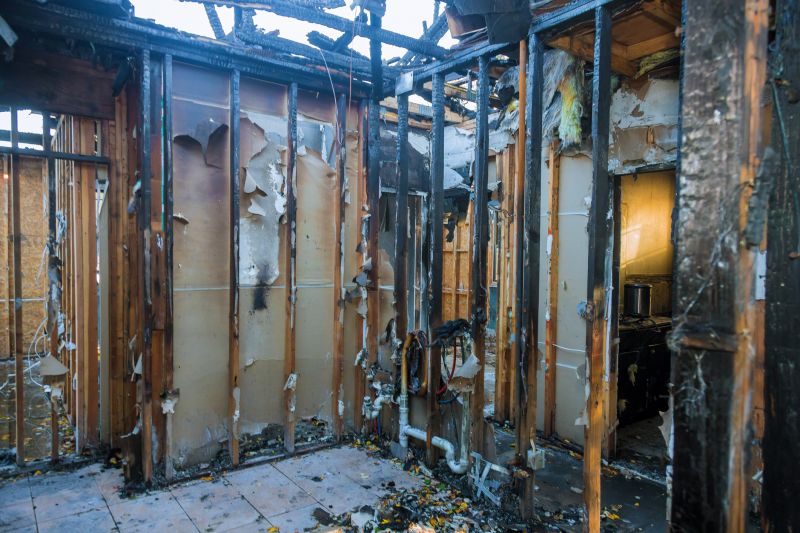
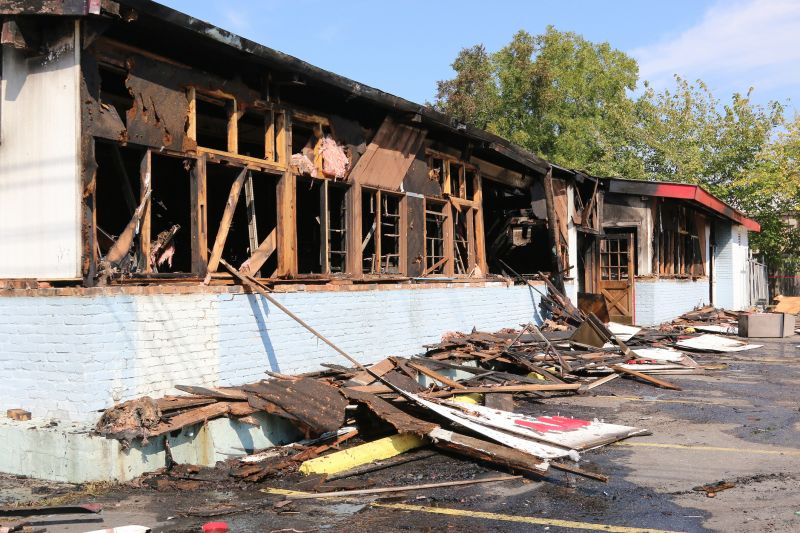
Wildfire mitigation services are often sought by property owners in Licking County, OH who want to reduce the risk of fire damage to their homes and landscapes. These projects typically involve clearing brush, trimming trees, and creating defensible zones around structures to minimize fuel sources. Homeowners may look for local professionals to help establish safety buffers, especially in areas prone to dry conditions or near wooded properties, ensuring that their property is better prepared for wildfire threats.
Many property owners also pursue wildfire mitigation to meet local regulations or community safety initiatives. Local service providers can assist with assessing fire risk, removing dead or overgrown vegetation, and implementing fire-resistant landscaping techniques. These efforts are common in rural parts of Licking County where properties are more exposed to wildfire risks, and residents want to enhance their property's resilience against potential fires.
What is wildfire mitigation? Wildfire mitigation involves strategies and services aimed at reducing the risk and impact of wildfires on properties and communities.
What services are included in wildfire mitigation? Services may include creating defensible space, removing brush and debris, and implementing fire-resistant landscaping.
How can local professionals assist with wildfire mitigation? Local contractors can assess fire risk and provide tailored solutions to help protect properties from wildfires.
Is wildfire mitigation suitable for all property types? Yes, mitigation services can be adapted for residential, commercial, and rural properties to enhance fire safety.
How do I find wildfire mitigation service providers nearby? Contact local service providers specializing in wildfire mitigation to discuss available options for your area.
Vegetation Management Services - Professionals can assess and reduce brush, trees, and other vegetation that pose wildfire risks around properties.
Firebreak Creation - Local contractors can establish defensible space by clearing and creating barriers to slow or stop fire spread.
Property Risk Assessment - Experts evaluate property features to identify vulnerabilities and recommend mitigation strategies.
Emergency Preparedness Planning - Service providers assist in developing plans to improve safety and resilience in wildfire-prone areas.
Considering Wildfire Mitigation for a property in Licking County, OH? The sections above highlight common project types, practical options, and details that often shape the scope of work.
When you are ready, use the quote form to share a few details about your project. Local pros can review the basics and respond with options that match what you have in mind.